




How to Choose the Perfect Outdoor Battery: A Complete Guide
Whether you're camping off-grid, running a food truck, powering a construction site, or just enjoying a backyard movie night, choosing the right outdoor battery can make or break your experience. Unlike indoor batteries, outdoor power solutions face unique challenges including weather exposure, temperature fluctuations, and portability requirements. This guide will help you navigate the key considerations for selecting the ideal outdoor battery for your specific needs.
Part 1: Understanding Your Outdoor Use Case
Different outdoor activities demand different battery solutions. Start by clearly defining your primary use:
Common Outdoor Applications:
- Recreational: Camping, RV trips, tailgating, boating, photography excursions
- Professional/Commercial: Food trucks, construction sites, outdoor events, landscaping, mobile workshops
- Emergency Preparedness: Backup power for outages, disaster response kits
- Leisure: Backyard entertainment, pool equipment, garden lighting systems
Part 2: Core Battery Technologies for Outdoor Use
1. Lithium-Ion Variants
- LiFePO4 (Lithium Iron Phosphate): The gold standard for most outdoor applications. Excellent thermal stability, long cycle life (3,000-5,000 cycles), safe chemistry, and wide temperature tolerance (-4°F to 140°F/-20°C to 60°C operational).
- NMC (Nickel Manganese Cobalt): Higher energy density but slightly more sensitive to extreme temperatures. Common in portable power stations.
- LTO (Lithium Titanate): Exceptional performance in extreme temperatures and ultra-fast charging, but expensive and less common.
2. Traditional Alternatives
- AGM (Absorbent Glass Mat) Lead-Acid: Affordable, maintenance-free, but heavy, sensitive to deep discharge, and performs poorly in cold temperatures.
- Gel Lead-Acid: Similar to AGM but slightly better deep cycle capability. Both lead-acid types are being rapidly replaced by lithium for outdoor use.
Part 3: Key Selection Criteria for Outdoor Batteries
A. Environmental Durability
- IP Rating (Ingress Protection): Look for at least IP65 for dust resistance and water jet protection. IP67 allows temporary immersion; IP68 is fully submersible.
- Temperature Tolerance: Batteries should specify both operating and storage temperature ranges. LiFePO4 typically handles -4°F to 140°F (-20°C to 60°C) best.
- Vibration & Shock Resistance: Crucial for mobile applications (vehicles, boats, portable use). Look for MIL-STD-810G certification for military-grade durability.
- UV Resistance: Important for permanently installed outdoor batteries. Housing should resist sun damage.
B. Capacity & Power Requirements
- Capacity (Wh or Ah): Calculate your total daily energy needs:List all devices (device wattage × hours used = Wh per day)Add 20-30% buffer for inefficiencies and battery agingConsider multiple-day autonomy if recharging isn't daily*Example: 50W fridge (24h) + 10W lights (5h) + phone charging (15Wh) = 1,200 + 50 + 15 = 1,265Wh/day*
- Power Output:Continuous Power: Must exceed the combined wattage of simultaneously running devicesSurge Power: Critical for starting motors (pumps, compressors, power tools)Output Ports: Ensure adequate AC outlets, USB ports (including USB-C PD for fast charging), and DC outputs
C. Portability & Form Factor
- Weight & Dimensions: Backpacking demands ultralight solutions (<10 lbs/4.5 kg); RV/car camping allows heavier units.
- Integrated Handles/Carrying Solutions: Essential for true portability.
- Stackable/Mountable Designs: Some batteries can be stacked for capacity expansion or mounted on vehicles.
D. Charging Flexibility
- Multiple Input Options: Solar charging (MPPT controller preferred), AC wall charging, 12V car charging.
- Charging Speed: Look for fast-charging capability (many lithium units charge 0-80% in 1-2 hours).
- Pass-Through Charging: Ability to charge devices while the battery itself is charging.
- Daisy-Chaining: Some models can be connected for capacity expansion.
E. Safety Features
- Battery Management System (BMS): Essential for lithium batteries. Should include:Overcharge/over-discharge protectionShort circuit protectionTemperature monitoring and cutoffCell balancing
- Cooling Systems: Passive cooling vs. quiet fans for high-power applications.
- Non-flammable/Non-toxic: LiFePO4 is inherently safer than other lithium chemistries.
- Certifications: UL, CE, RoHS, UN38.3 for transportation safety.
Part 4: Specialized Outdoor Considerations
Solar Integration
- Solar Input Compatibility: Maximum solar input voltage and current.
- MPPT vs. PWM Charge Controllers: MPPT is 20-30% more efficient, especially in variable conditions.
- Solar Charging Time: How many hours of sunlight to fully recharge?
Cold Weather Performance
- Self-Heating Batteries: Some premium models include internal heaters for below-freezing charging.
- Low-Temperature Cutoff: Prevents charging when too cold (protects battery but limits functionality).
- Insulated Cases: Third-party options can extend operating range.
Hot Weather Performance
- Thermal Management: Active cooling or well-designed passive heat dissipation.
- Shade Requirements: Some batteries should not be placed in direct sun despite being "outdoor rated."
Part 5: Portable Power Stations vs. Modular Battery Systems
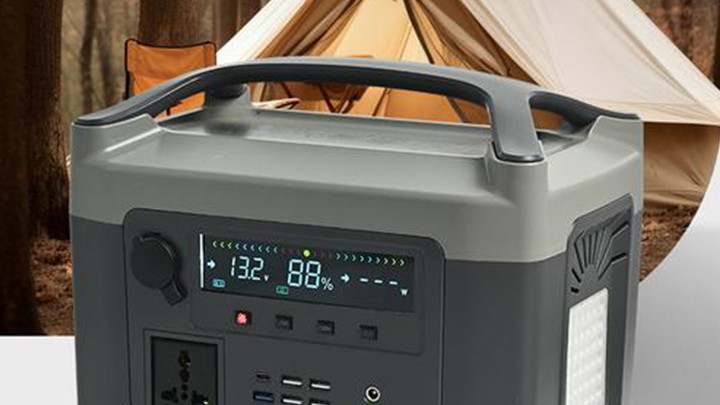
All-in-One Portable Power Stations
- Pros: Plug-and-play simplicity, integrated inverter/charger/outlets, user-friendly displays.
- Cons: Limited repairability, fixed capacity, all components fail together.
- Best for: Recreational users, occasional use, those valuing convenience.
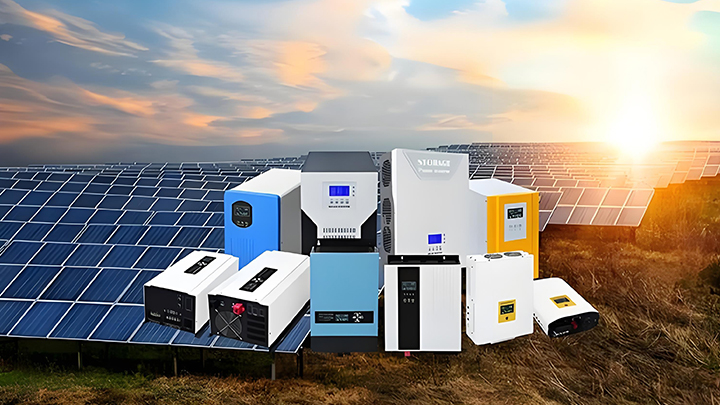
Modular/Component Systems
- Pros: Scalable capacity, replaceable components, often more durable, better for permanent/semi-permanent installation.
- Cons: More complex setup, higher initial learning curve.
- Best for: Professionals, frequent users, custom applications.
Premium Tier:
- EcoFlow: Fast charging, excellent displays, wide model range (Delta, River series).
- Goal Zero: Pioneers in portable solar, reliable, good warranty (Yeti, Sherpa series).
- Jackery: User-friendly, good value, widely available (Explorer series).
- Bluetti: High capacity options, modular designs, competitive pricing (AC200P, EP500).
Professional/Commercial Grade:
- Renogy: Specializes in solar integration, good for custom setups.
- Dewalt, Makita, Milwaukee: Tool battery ecosystem integration for professionals.
Budget Options:
- Anker, Rockpals, Togo: Good entry-level options with basic features.
Part 8: Cost Considerations & Value
- Cost Per Watt-Hour (Wh): Calculate: Price ÷ Capacity (Wh). $0.50-$1.00/Wh is typical for lithium power stations.
- Warranty: Look for at least 2-3 years. Some premium brands offer 5 years.
- Longevity vs. Initial Cost: LiFePO4 may cost 2x lead-acid initially but last 5-10x longer.
- Total Cost of Ownership: Include replacement costs, efficiency losses, and maintenance.
Part 9: Safety & Maintenance Tips
Essential Practices:
- Regular Inspection: Check for physical damage, corrosion, or swelling.
- Proper Storage: Store at 50% charge in temperate conditions when not in use for extended periods.
- Clean Connections: Keep ports clean and dry; use protective caps when unused.
- Follow Manufacturer Guidelines: Especially regarding temperature limits.
Red Flags to Avoid:
- No brand name or specifications listed
- Missing safety certifications
- Unrealistic claims ("10,000Wh for $200")
- Poor customer reviews regarding safety or durability
- No temperature protection specifications
Part 10: Future-Proofing Your Purchase
- Expandability: Can you add more batteries or solar panels later?
- Firmware Updates: Some advanced models receive performance improvements via updates.
- Technology Evolution: Consider how quickly you'll upgrade. The market is improving rapidly.
Final Recommendation
For most outdoor enthusiasts, a LiFePO4 portable power station in the 500-1500Wh range from a reputable brand offers the best balance of safety, durability, and performance. Prioritize models with true all-weather ratings (IP65+), wide temperature tolerance, and multiple charging options.
For professional/commercial users, invest in modular LiFePO4 systems with proper weatherproof enclosures and consider consulting with a solar installer for custom solutions.